

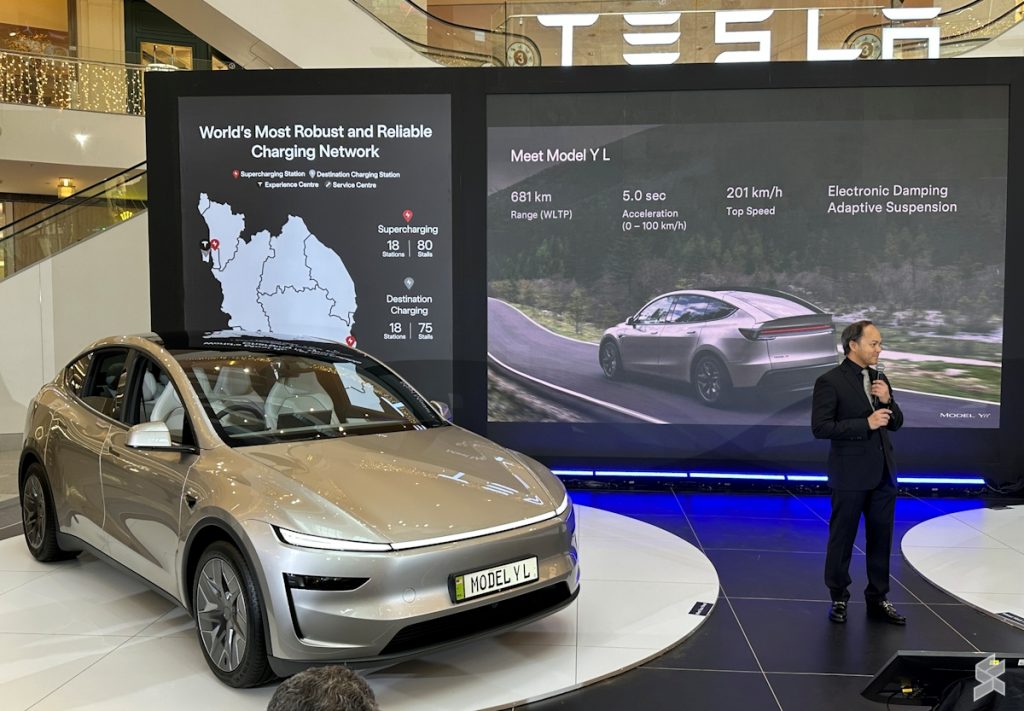
Tesla Malaysia has managed to keep its vehicle prices unchanged despite the end of the CBU EV tax holiday on 31st December 2025.
However, there is growing speculation that the situation could change from 1 July 2026 as the company may have to comply with MITI’s latest requirements for imported EVs despite being part of MITI’s Battery Electric Vehicle (BEV) Global Leaders programme.
As a result, Malaysians may potentially see a significant price hike and potential discontinuation of affordable Tesla variants that do not comply with MITI’s CBU EV ruling.
MITI’s new CBU EV requirements could affect Tesla’s line-up
As announced by the Ministry of Investment, Trade and Industry (MITI), new approvals for imported EVs are subject to stricter requirements from 1 July 2026. Among the key conditions are a minimum Cost, Insurance and Freight (CIF) value of RM200,000 and a minimum power output of 180kW.
When it comes to power output, all Tesla models including the base RWD variants are pushing well above 200kW. However, the concern is the pricing as the Tesla Model 3 Standard RWD starts from as low as RM147,600 which is way below the minimum CIF. Meanwhile, the Model Y RWD is priced from RM195,450 for the Premium RWD version.
If Tesla were to strictly adhere to the new criteria, the company could potentially be left with a much smaller product range with marked up prices. Models that may remain in Malaysia include the Model 3 Performance, Model Y Long Range AWD and the newly introduced Model Y L with all possible upgrade options ticked to meet the minimum CIF requirement.
Sales advisors are already warning of potential price changes
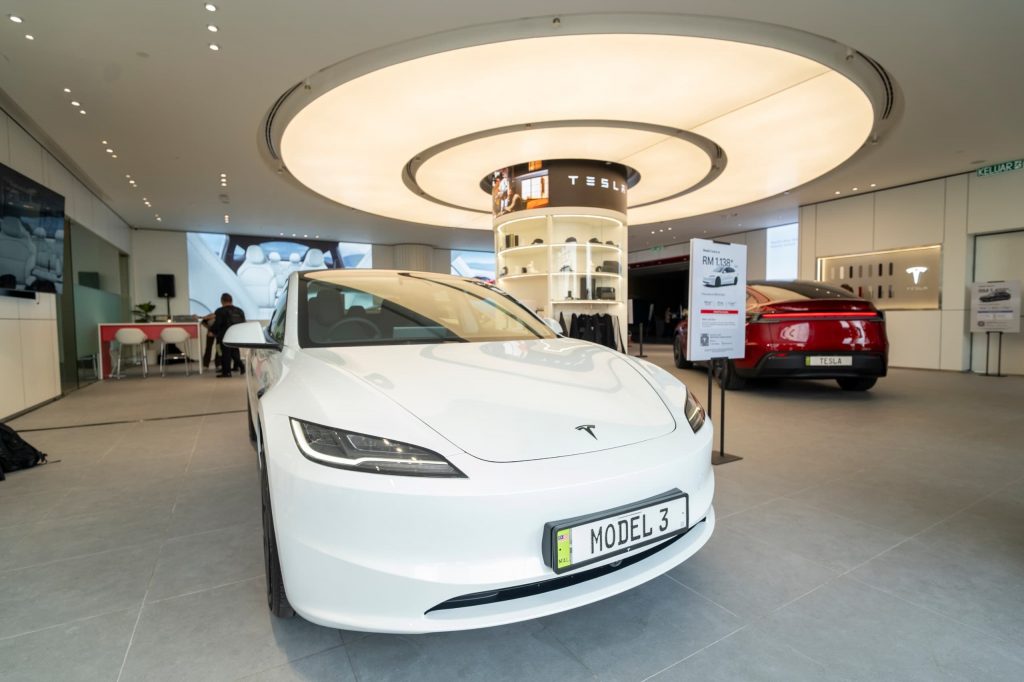
Adding to the speculation, some Tesla sales representatives have reportedly been encouraging prospective buyers to secure their orders before the end of June.
Several customers have shared that they were informed of a possible price increase from July, with claims that current inventory at existing prices is limited. However, Tesla Malaysia has not issued any official statement regarding a price revision at the time of writing.
As a result, it remains unclear whether these warnings are based on confirmed internal guidance or are simply precautionary advice ahead of a potentially significant regulatory change.
Recent CBU EV launches don’t seem to follow the RM200,000 CIF rule
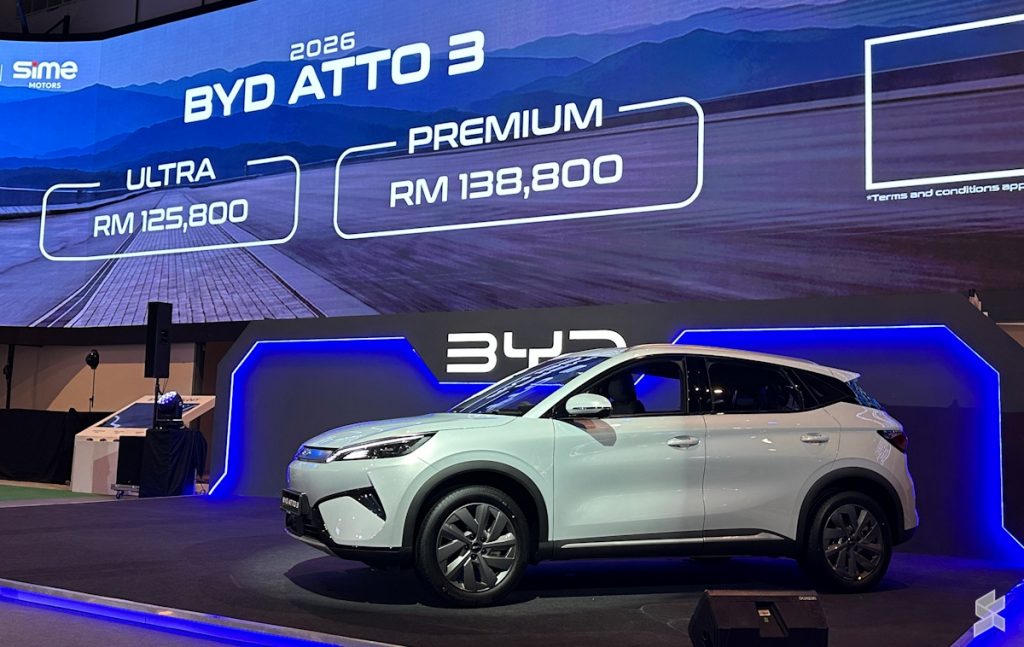
Interestingly, recent developments in the market appear to contradict expectations that all imported EVs will need to be priced at least RM300,000 (RM200,000 CIF + taxes + profit margin).
Earlier this month, BYD Malaysia launched the refreshed Atto 3 Ultra and Premium RWD, with prices remaining below RM150,000 despite being a fully imported model. Meanwhile, the upcoming Zeekr X 2026 is also expected to be priced between RM160,000 and RM180,000 when it launches in Malaysia.
These launches have raised questions about how MITI’s new CBU EV policy are being applied.
At the moment, it is unclear whether there are exemptions, bridging arrangements or extensions that have yet to be publicly disclosed. There has also been no official announcement indicating an extension or relaxation of the new CBU EV ruling from MITI.
Tesla entered Malaysia through a special lane
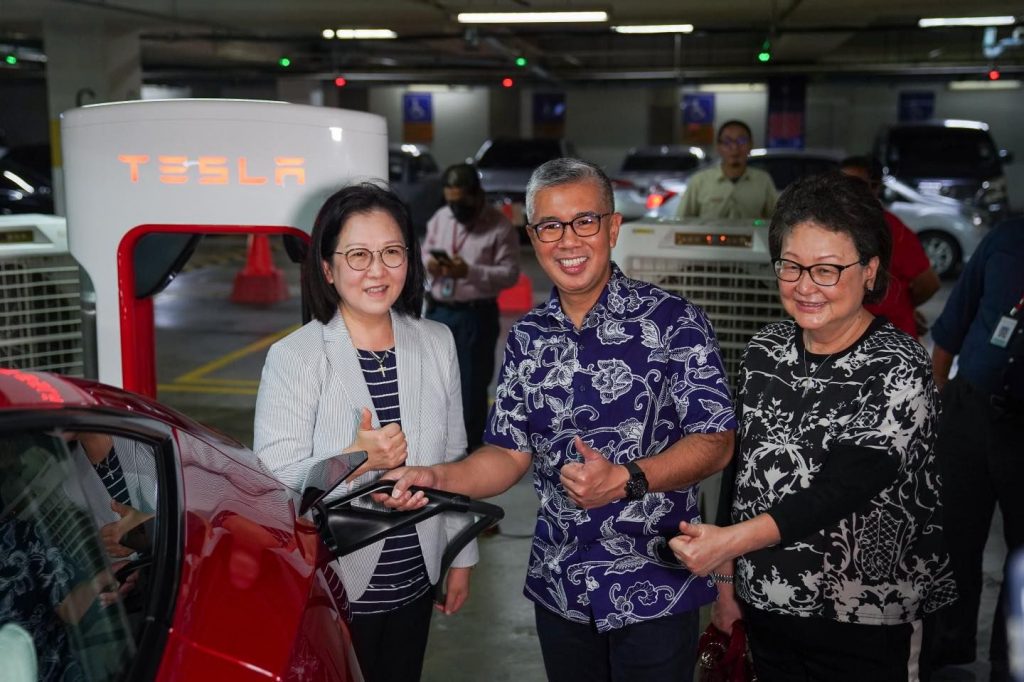
Tesla’s entry in Malaysia had taken a different route from other players. Unlike other automakers, it isn’t part of MITI’s Franchise AP list and there’s no traditional distributor/dealership network.
Under the BEV Global Programme, Tesla is required to invest in Malaysia through other means which also includes expanding the local EV infrastructure. As shared earlier, they are required to install 50 Superchargers and 15 must be open to all vehicles.
According to former Ministry of Investment, Trade and Industry (MITI) Tengku Zafrul, Tesla has invested over RM59 million back in August 2024.
Besides expanding the local ecosystem in the development of EV charging infrastructure, he said Tesla has also collaborated with institutions of higher learning to enable knowledge transfer and human capital development with the aim to drive Malaysia as a major green technology hub.
Tesla Malaysia now has a total of 84 Supercharger stalls at 19 locations throughout Malaysia. Out of this figure, four Supercharger locations are open to non-Tesla vehicles.