

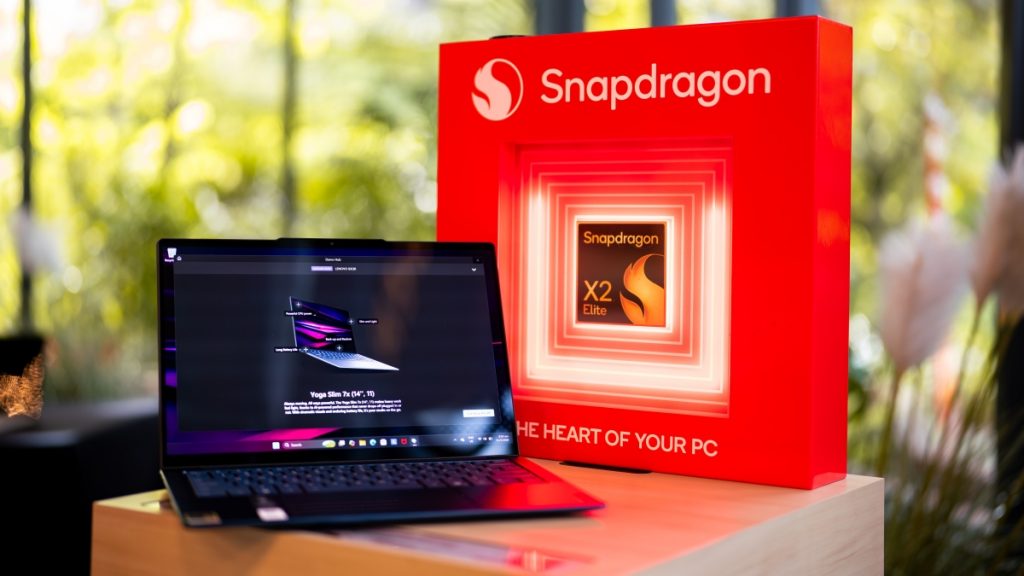
This post is brought to you by Qualcomm.
Working remotely often comes with an annoying routine: the charger hunt. Out of habit, we pack a heavy power brick and scan every cafe or meeting room for a wall outlet before we even sit down. We’ve simply accepted this constant battery anxiety as a normal tax of mobile work.
But it raises an important question: why do we tolerate it?
The things we stopped questioning
Traditional laptops often require users to tolerate significant physical compromises. There is noticeable heat on your palms after an hour of work, meaning most people avoid putting laptops on their laps because they get too warm. There is the fan turning on mid-video call, batteries that struggle to make it past lunch, and chargers that add substantial weight to your bag.
These are not inevitable laws of computing. They are the downstream consequences of architectural decisions made decades ago, long before the era of working remotely from a cafe or attending video calls on a commuter train.
The answer has been in your pocket the whole time
A different approach to computing architecture has existed in smartphones for years. A typical smartphone runs all day on a single charge while handling intensive tasks like video playback, navigation, and background processing. It accomplishes this silently, staying cool without requiring a fan.
Smartphone chips prioritise efficiency above all else, achieving performance without unnecessary energy waste. This architecture demonstrates what portable computing can look like when designed from the ground up for a mobile, battery-powered device.
The Snapdragon X Series: bringing efficiency to Windows
In 2024, Qualcomm introduced the Snapdragon X Series, applying efficiency-first architectural principles to the Windows platform. Developed in deep collaboration with Microsoft, this platform was purpose-built to deliver an optimised Windows laptop experience.
According to Qualcomm’s specifications, the platform targets a real-world battery life of 17 to 20 hours, fanless operation in most daily-use scenarios, and a cooler chassis that allows for comfortable lap use.
The platform has now progressed to its second generation with the Snapdragon X2 Series. This iteration focuses on refining the architecture by improving CPU and GPU performance, while introducing support for popular anti-cheat systems that the first generation lacked.
Rather than an experimental first attempt, the X2 Series represents a maturing platform for the ecosystem.
Available models in Malaysia
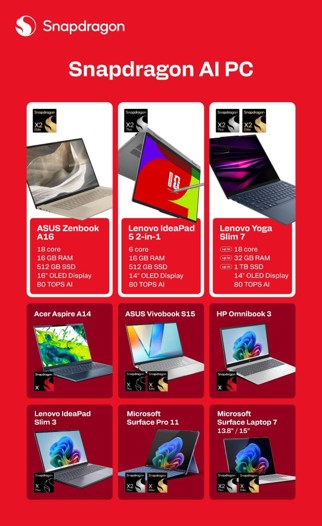
Multiple manufacturers have adopted the platform, offering consumers a variety of choices across different form factors and price points.
While the ecosystem continues to expand with next-generation arrivals, the established Snapdragon X Series laptops remain a foundational pillar of the Windows AI PC market. This generation introduced gains in battery efficiency, consistent performance whether plugged in or running on battery, and silent operational capabilities to daily workflows.
What about the apps?
A common question for any new architecture is software compatibility. Through the joint efforts of Microsoft and Qualcomm, the vast library of Windows applications has been optimised for the platform.
When an application runs natively on a device, it communicates directly with the Snapdragon processor without needing an emulation or translation layer. For the user, this native execution delivers immediate benefits: noticeably faster application launch times, smoother multitasking responsiveness, and significantly reduced battery consumption.
While thousands of specialised and enterprise Windows applications run natively, the following are just a few everyday examples from the rapidly growing ecosystem:
- Productivity & Communication: WhatsApp, Zoom, Microsoft Teams, Google Meet, the Microsoft 365 suite, Google Drive, and Canva.
- Creativity & Entertainment: Adobe Lightroom, Spotify, Netflix, and Chrome.
- Regional Services: Shopee, Lazada, Touch ‘n Go eWallet, and Grab.
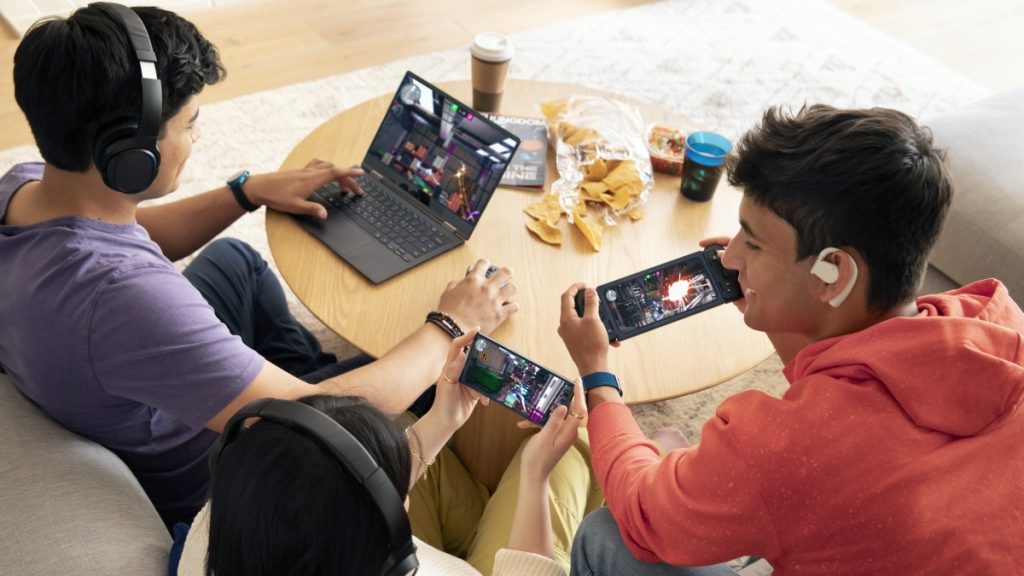
For competitive PC gaming, Qualcomm designed the X2 Series to specifically support titles utilising kernel-level anti-cheat systems, such as Valorant and CS2. Users looking to verify specific application compatibility can consult the community-verified database at windowsonarm.org.
Designing for a charger-free workflow
This efficiency-first architecture is engineered to eliminate daily battery anxiety. By delivering extended hours of active use on a single charge, it means you can confidently leave the charger behind for a standard workday.
Furthermore, while traditional laptops often slow down on battery power to save energy, Snapdragon processors are designed to deliver the exact same high performance whether plugged in or unplugged.
The question to take with you
The traditional x86 architecture has anchored personal computing for decades, but it was originally optimised for a world where computers remained stationary on desks. As modern workflows have evolved past the desktop, the entry of efficient architectures into the Windows ecosystem offers a design approach tailored to modern portability requirements.
Where to find them
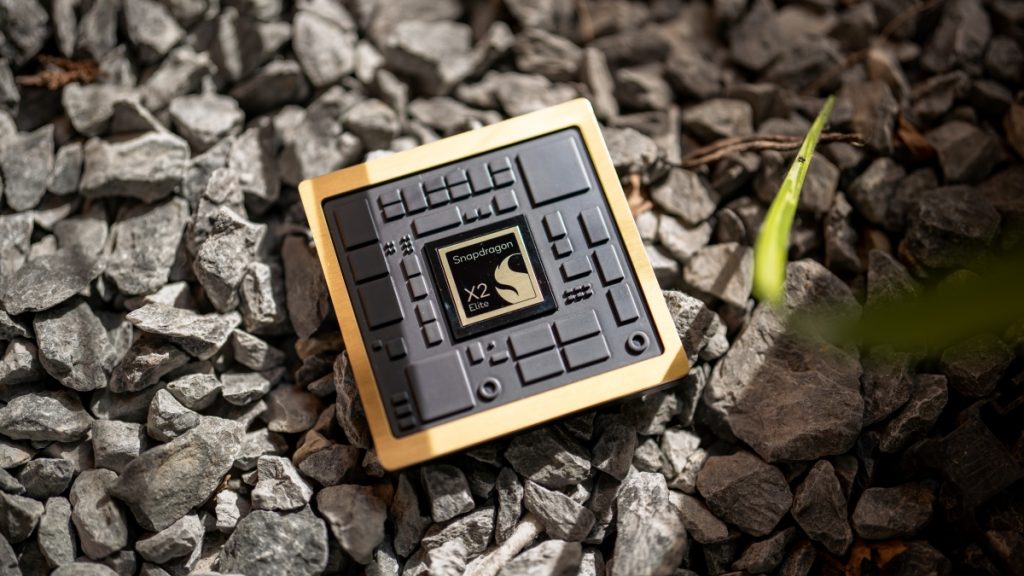
Visit https://snapdragon-superdeals.com/my for more information. Snapdragon X2 Series and X Series laptops are available now at Harvey Norman, Thundermatch, and PC Image. Check the retailer sites below for current pricing and promotions:
To stay updated with the latest news and announcements, follow the official channels: