

The government now aims to have 30,000 EV charge points (EVCPs) by 2030, according to Deputy Minister of Investment, Trade, and Industry, Sim Tze Tzin. The figure was mentioned in response to a question from Kubang Pasu MP, Dr Ku Ab Rahman Ku Ismail.
I’m not sure when the government revised this target, but surely enough, this is the first time that I have heard the new figure. As a reference, the government’s original target was 10,000 EVCPs by 2025, which was set in 2021 under the Low Carbon Mobility Blueprint (LCMB) 2021 – 2030.
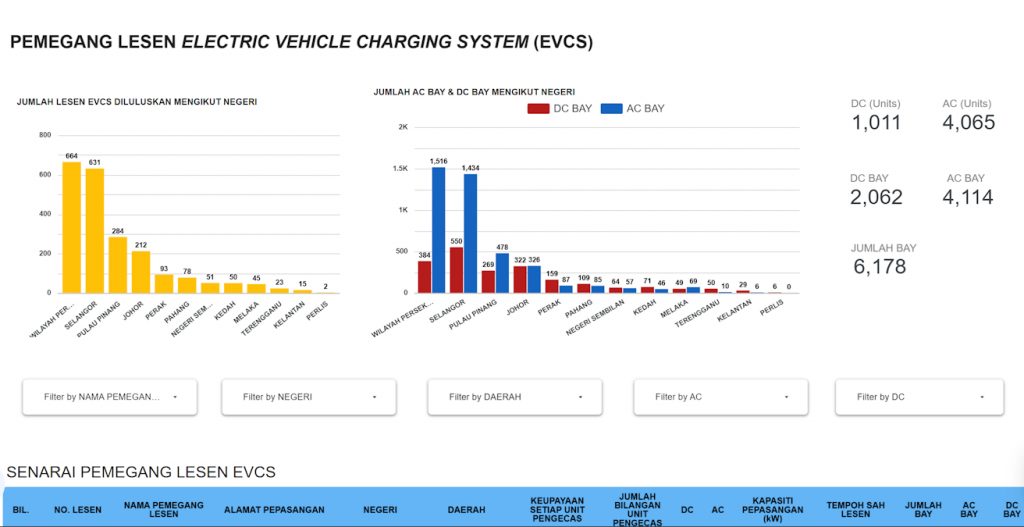
According to the latest publicly available figures on the Energy Commission’s (ST) website, there are currently 6,178 licensed EVCPs in Peninsular Malaysia.
As ST has no jurisdiction over East Malaysia, the official figure for Sarawak and Sabah is not exactly known. Sarawak reportedly has 153 EVCPs as of April this year, while the Malaysia Zero Emission Vehicle Association (MyZEVA) estimated there were 32 EVCPs in Sabah as of March 2026.
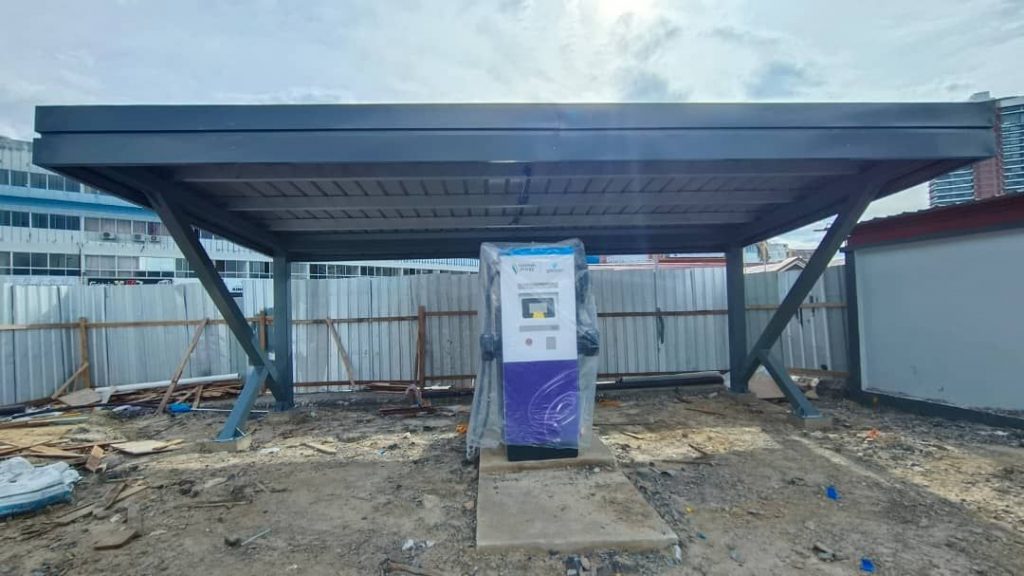
All in all, the current number of EV CPs in Malaysia is nowhere close to the original 10,000 EVCP target. Yet, the government suddenly want Charging Point Operators (CPOs) to activate another 23,822 EVCPs in the next 53 months?
CPOs have to build over 400 charging points per month to meet that target
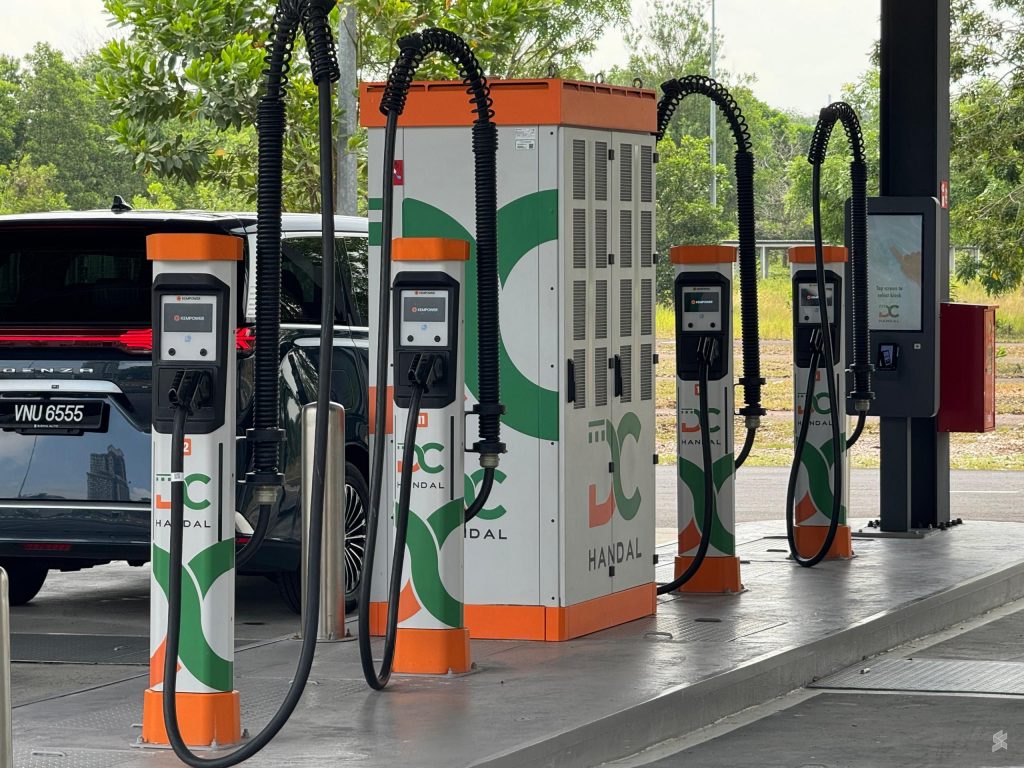
While 53 months sounds like a lot of time, it is still too ambitious to have all 30,000 CPs by that time frame. Consider this: to hit 30,000 CPs by 2030, CPOs have to deploy at least 467 CPs per month starting from this August.
On the other hand, ST data showed that 260 licences were issued to CPOs from January to May this year. I was not able to get the exact figure since I don’t have access to the raw data, but let’s say there were an average of 3 CPs per location; that’s 780 CPs over a period of 5 months or just 156 CPs per month.
So, you are now asking CPOs to increase their effort by 3 to 4 times to hit your new target? Does this make sense to the CPOs – the people that actually doing all the paperwork, funding, and using their resources to build the nation’s EV charging infrastructure?
It is not that simple to deploy EV charger in Malaysia
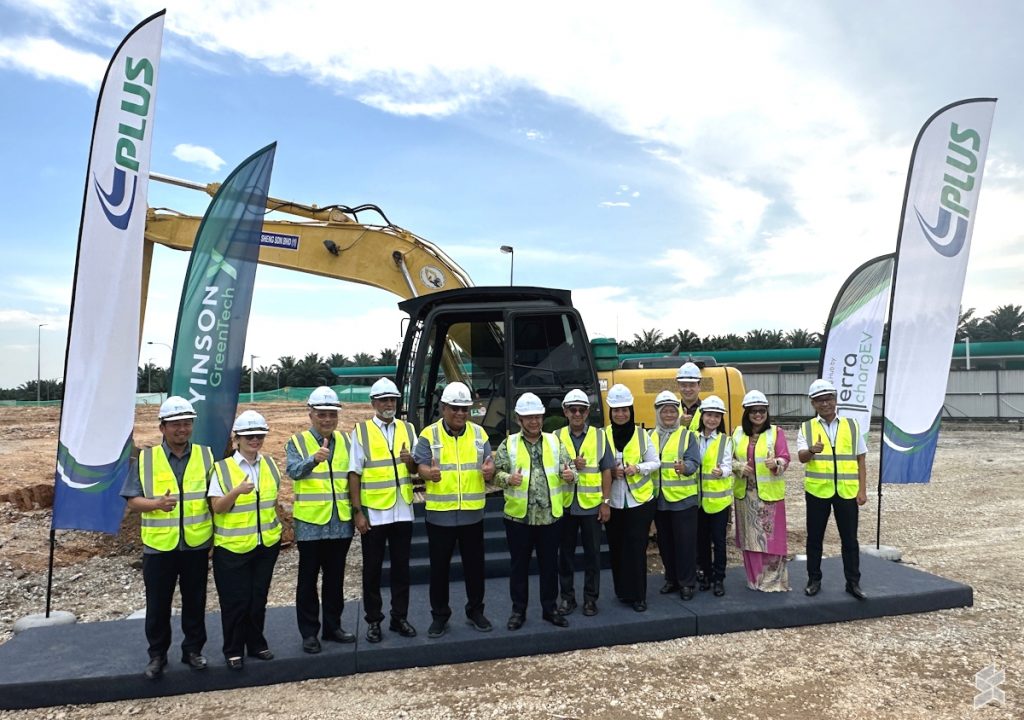
EV charging hubs along interstate and major highway routes are critical infrastructure if Malaysia wants to make long-distance EV travel practical and to eliminate range anxiety.
Chargers at regular intervals on highways allow drivers to top up their EVs while taking a break, much like rest areas and petrol stations do for conventional cars. This is not just about convenience, but confidence in the network.
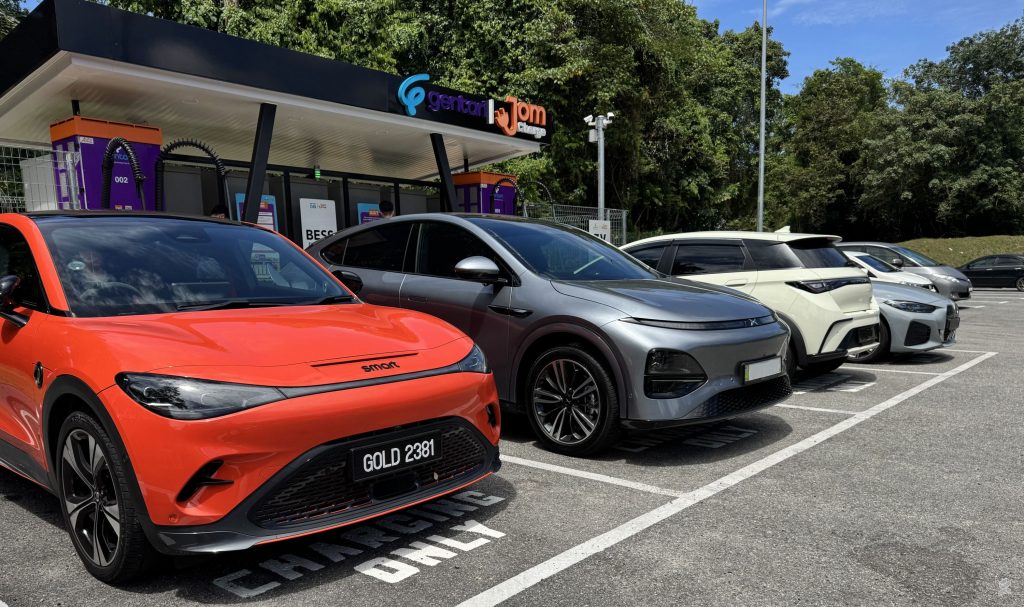
However, charge point operators continue to face significant challenges in rolling out proper highway charging hubs. Securing land and long-term leases at R&R sites often requires negotiations with multiple concessionaires and operators, which can be slow and commercially complex.
High upfront costs, lengthy approval processes and the need for major electrical capacity upgrades further complicate deployment. If a CPO requires more power at a location to deliver high-powered DC charging, it would have to invest in a substation, even though the substation itself is not exclusive to the CPO.
30,000 EVCPs is just half of Singapore’s 2030 target
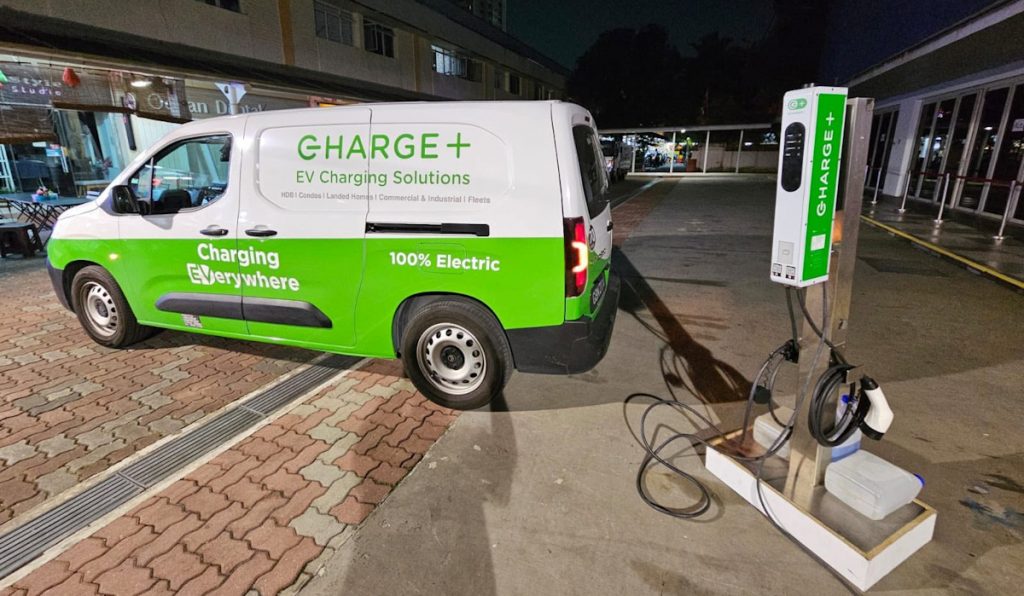
While Malaysia is still struggling to hit barely half of the 10,000 EVCPs target that it set half a decade ago, Singapore has already deployed 30,500 EVCPs back in May. In fact, Singapore is now aiming to hit 60,000 EVCPs by 2030.
The 60,000 includes 40,000 EVCPs at public carparks and 20,000 at private premises. Singapore also aims to have every HDB town in Singapore have at least one fast EV charging hub with at least 6 DC charge points by the end of 2027.
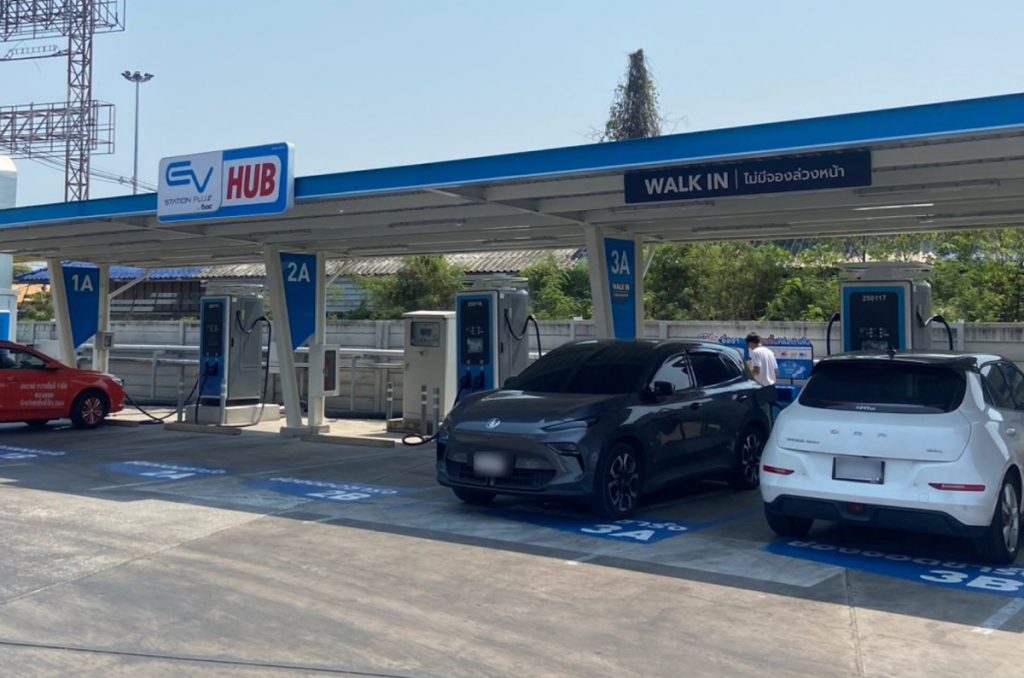
Over in Thailand, the country already has 13,977 EVCPs as of January 2026. There is no two ways about it: Malaysia is really lagging behind our Northern and Southern neighbours when it comes to EV charging infrastructure.
What is the government doing at the moment?
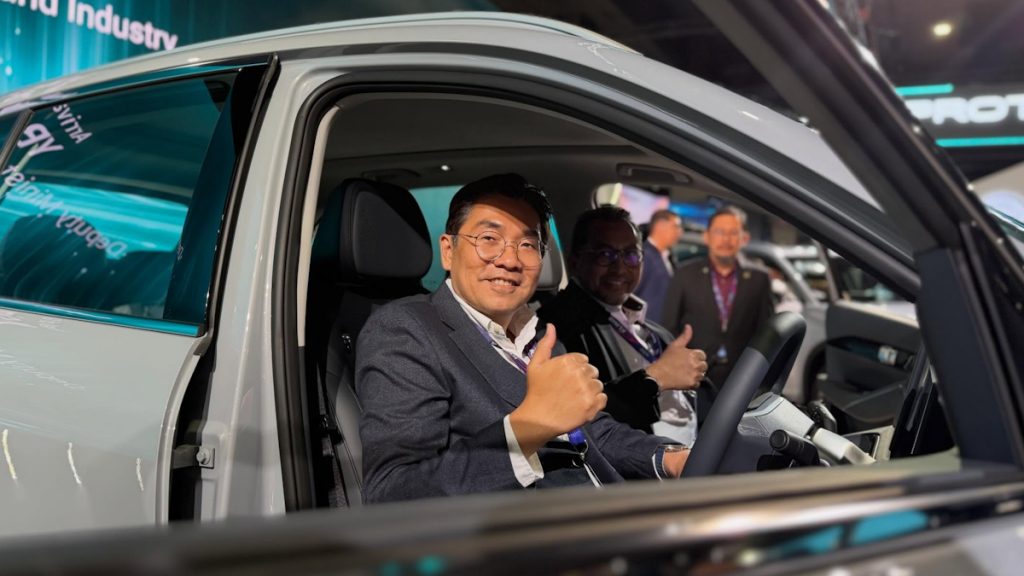
To be fair to Deputy Minister Sim and other government agencies related to the national EV landscape, there are other interesting anecdotes in his parliamentary remark today in relation to the EV charging infrastructure.
One of them was on the issue of power supply. According to Sim, the government is working together with stakeholders, especially Tenaga Nasional Berhad (TNB), to install more substations, which are essential to increase the footprint of EV charging infrastructure in Malaysia.
In addition to that, Sim also said the government is in discussion to provide incentives to CPOs for them to deploy EV chargers. However, he also admitted that all these going to take some time, which I don’t think is what Malaysians want to hear.
What we need now is a long-term action plan and policies to accelerate EV infrastructure development. We also need clear intreim goals that measurable and accountable.
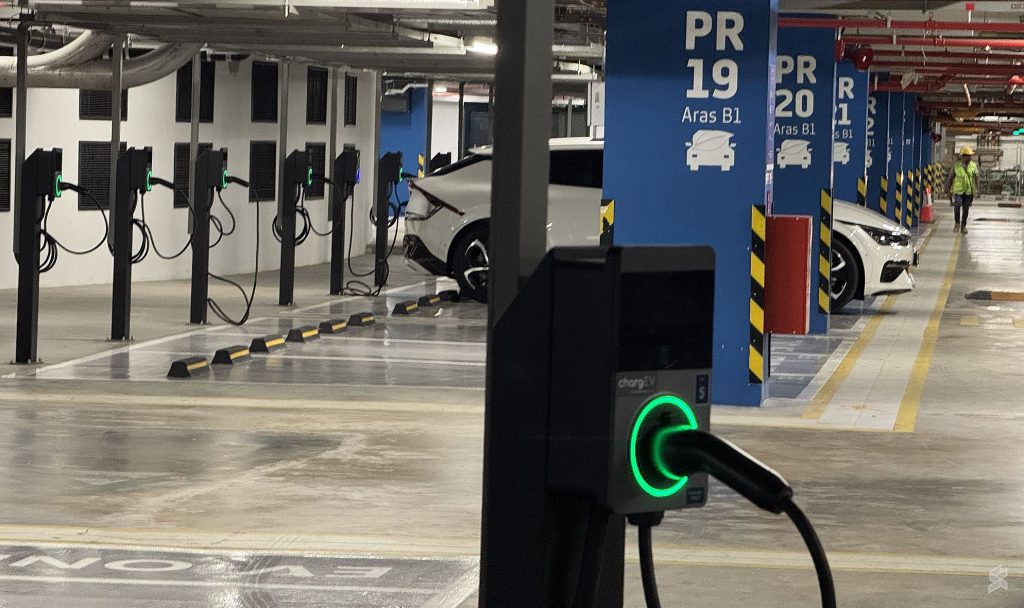
Remember: LCMB’s 10,000 CPs target was established in 2021 – that was 5 years ago. Malaysia has since then witnessed a 63.71% growth in EV registrations in 2024, which then shoots up to 105.7% in 2025.
So, how much additional time does the government need to implement something that is actually meaningful and impactful to drive the growth of Malaysia’s EV charging infrastructure? Instead of shifting goalposts or citing numerous vague answers?
Well, hope we will get the real answer soon enough.