

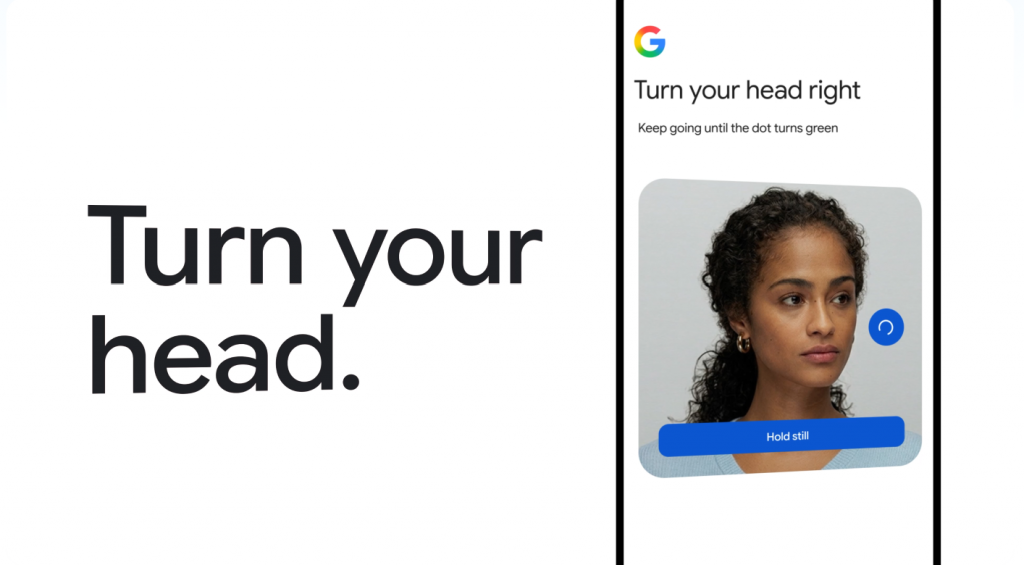
Google has rolled out a new sign-in and account recovery feature called selfie video. The tool gives users an alternative method to regain access to their Google Account if they forget their password or lose their primary authentication device.
However, the feature is limited strictly to personal Google Accounts. It is currently unavailable for Google Workspace enterprise accounts and child accounts managed via Family Link.
How selfie video works
Setting up the feature requires recording a short video clip using a smartphone or computer camera. Users align their face with the camera and complete guided head movements to record multiple angles of their face.
While selfie video can be used as a standard sign-in method, Google is positioning it primarily as a backup tool for lockout scenarios. If account access is lost in the future, the user records a new selfie video. Google’s system then compares the live footage against the saved sample to confirm authenticity and restore access.
This feature joins Google’s broader effort to offer flexible, passwordless authentication options, sitting alongside tools like passkeys and recovery contacts. Standard automated security practices also run in the background to detect and flag suspicious sign-in attempts.
Anti-deepfake protection and privacy controls
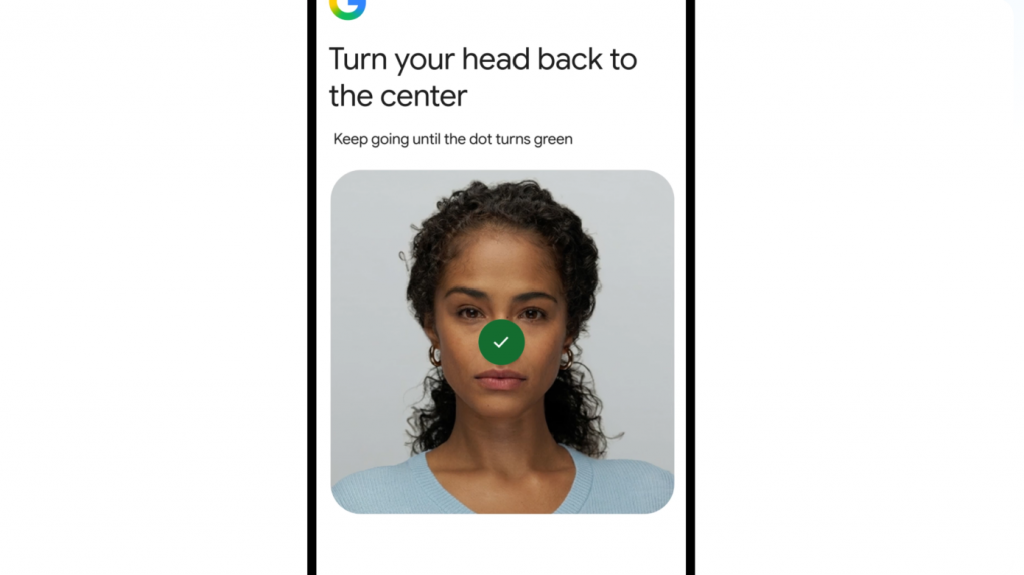
To counter spoofing, Google relies on liveness detection during the verification process. Requiring real-time head movements prevents unauthorized access attempts using static photographs or AI-generated deepfakes. Furthermore, saved selfie videos are encrypted at rest to protect biometric data when not in active use.
From a privacy standpoint, the recorded video is strictly restricted to sign-in verification unless the user explicitly opts in for additional purposes. Account holders retain full control over their biometric data and can delete their saved selfie videos at any time through their Google Account settings.
Skepticism and privacy concerns
Despite Google’s security assurances, the feature has met with skepticism online. Netizens have expressed concerns regarding biometric data collection, raising fears over potential data exploitation, surveillance, and the use of facial data for AI model training.
The move lands in an increasingly sensitive global environment around biometric privacy, where facial recognition tools continue to face regulatory scrutiny.
Is selfie video available in Malaysia?
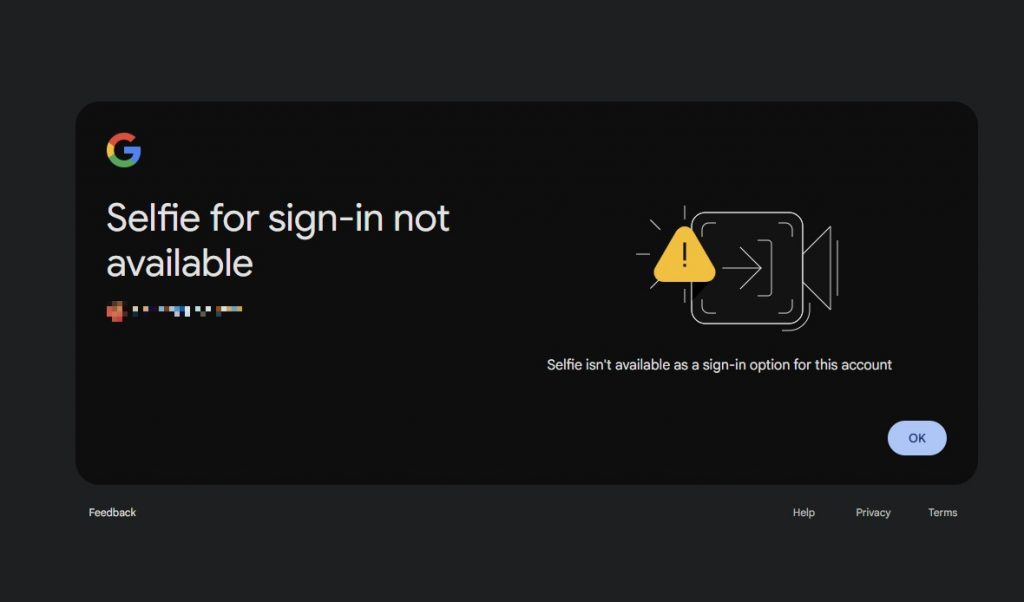
At the time of writing, the selfie video feature does not appear to be live in Malaysia yet.
Google is rolling out the feature in phases, which explains why many users cannot access it just yet. If you want to see whether your account qualifies, you can check eligibility directly at g.co/signin-selfie. Otherwise, local users will likely have to wait a few more weeks as the rollout expands globally.